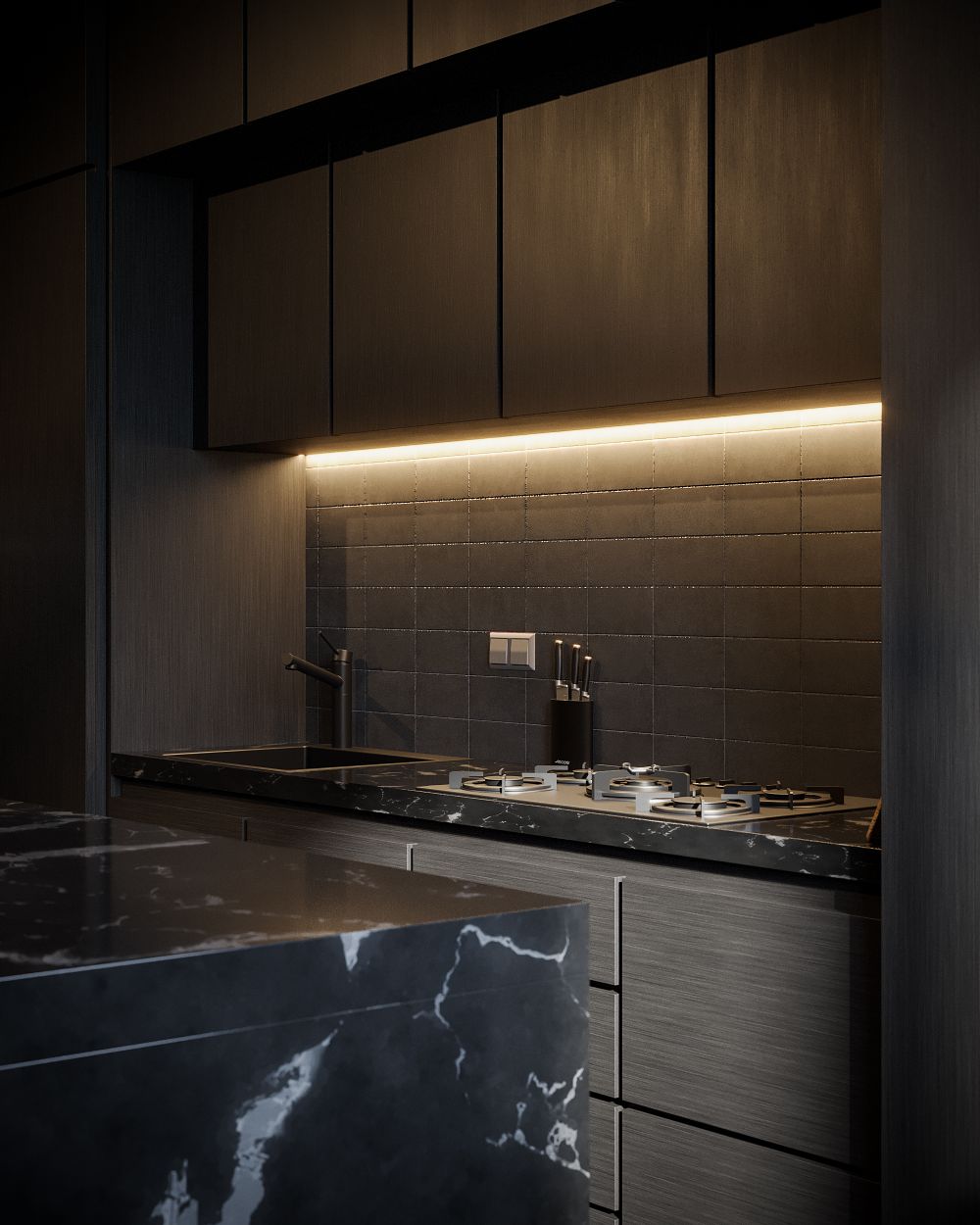
Cooking equipment
Oven that won't reach temperature, a burner that clicks without lighting, or a display full of fault codes. Gas and electric, freestanding and built-in.
Symptoms
Cooking equipment fails in ways you can often narrow down before we arrive.
Bake element on electric, igniter on gas.
Sensor drift or a failing relay board.
Spark module, a wet or cracked igniter, or a blocked burner port.
Thermocouple or flame sensor.
Infinite switch or the element itself on electric; on induction, the coil or control board.
Self-clean cycles run hot enough to take out thermal fuses and control boards.
How it works
Gas or electric, and the brand. On built-ins, a photo of the model sticker saves a return trip.
Flat $115, credited toward the repair. Gas work includes checking the connection and the shutoff.
Full number, parts and labor, before anything is opened up.
Most jobs finish the same visit. 60 days on parts and labor, in writing.
Pricing
Every job is priced after an on-site inspection, because the same symptom can mean a routine part or a sealed-system job. The technician checks the appliance and gives you the exact number before anything is opened up.
The $115 service call covers the visit and diagnosis, and it is credited toward the repair when you approve it. Contact us to schedule an inspection and receive an on-site estimate.
Gas, electric and dual-fuel
A Wolf or Thermador dual-fuel range shares one chassis but runs two entirely separate systems: gas burners on the cooktop and an electric oven below. They fail independently and they are diagnosed differently. People call and say the range is broken, and half the time only one half of it actually is, which changes the price considerably.
Gas faults are usually the cheapest repairs we do. A burner that clicks without lighting is almost always the spark module or a burner port blocked by boil-over, and a burner that lights then dies is a thermocouple doing exactly what it was designed to do. Neither is a reason to replace a range. The one thing worth saying clearly: if you smell gas, shut the supply off at the valve and call the gas company before you call us.
Electric ovens fail at the element, the temperature sensor and the control board, in that order of frequency. An oven that is running 40 degrees cool is not broken in the way people assume; it is usually a sensor that has drifted, and recalibration or a sensor swap fixes it for a fraction of what a new range costs. Self-clean cycles are worth a warning too, since running them regularly is a common way to kill a thermal fuse or a control board on an otherwise healthy oven.
Brands we see most: Wolf, Thermador, Viking, Dacor, Miele, Bosch, KitchenAid, Monogram, GE, LG, Samsung and Whirlpool, plus induction cooktops from Bosch and Thermador which have their own failure modes around coils and boards.
We cover San Diego, La Jolla, Del Mar, Rancho Santa Fe, Solana Beach, Carlsbad and nearby areas.
Questions
Almost never. An oven running 25 to 50 degrees off is usually a drifted temperature sensor or a failing relay, and recalibration or a sensor replacement fixes it for a small fraction of a new range.
Not usually, and it is normally one of the cheaper repairs: a spark module, a damp or cracked igniter, or a burner port blocked by boil-over. If you can smell gas, shut the supply off at the valve and call the gas company first.
Both, including dual-fuel professional ranges where the gas cooktop and electric oven are effectively separate appliances sharing a chassis and are diagnosed separately.
No, it is one of the most common calls we get. Self-clean runs hot enough to take out thermal fuses and control boards, and both are repairable rather than a reason to replace the appliance.
Send the details and we'll confirm a time. Reply within the hour during business hours.